You can spot tech neck across any Croydon coffee shop at 8:30 a.m. Shoulders rounded, chin sliding forward, eyes narrowed to a rectangle of blue light. No one sets out to develop a neck that feels like it belongs to someone else by 3 p.m., yet here we are. If your workdays finish with a dull ache behind the eyes, a pinched stiffness at the base of the skull, and a trapezius that feels wired to a car battery, you are not alone. The combination of long sitting bouts, fixed focus on a near screen, and low-grade stress adds up. Croydon osteopathy has a practical, evidence-informed answer for it, and it moves faster than most think if you get the mechanics, the habits, and the load management right.
I have treated thousands of desk-bound patients across South London. Many find their way to a Croydon osteopath after trying a new chair, a new mouse, or a new pillow. Those help, but they do not resolve the underlying pattern driving the discomfort: sustained flexion and forward head posture, plus insufficient movement variability, plus tissues that have become deconditioned to positions outside the workstation. The good news is that tissues adapt quickly when given the right nudges. The even better news is you can combine short osteopathic sessions with micro-adjustments in your day to change your pain trajectory in a week.
This guide blends clinic-tested strategies with tweaks you can apply the moment you finish reading. It also clarifies where a Croydon osteo fits into the picture, how an osteopath clinic in Croydon assesses tech neck, and which patients need a modified plan because of migraines, hypermobility, shoulder impingement, or nerve symptoms.
What tech neck actually is, and why it hurts
Tech neck is a shorthand for a set of mechanical and neurological changes that show up with prolonged near work. Picture a stack of building blocks. When your head slides forward relative to your trunk, the top blocks tip, the muscles along the back of the neck and shoulders must counterbalance that weight, and the joints at the upper cervical spine compress into extension. The levator scapulae, upper trapezius, and suboccipital muscles become dominant stabilisers rather than phasic movers. Meanwhile, the deep neck flexors, lower trapezius, and serratus anterior check out. Over hours and days, the brain habituates to the forward head, and the default sitting posture shifts.
Here is the part that surprises people. Pain often arrives later. The body tolerates poor mechanics for a time, then some combination of sleep loss, a long Teams call, or a bumpy train commute flips the switch. The pain you feel is an output, not simply a readout of tissue damage. The upper cervical facet joints complain when they are asked to hold you in extension while your eyes fix on a near screen. The thoracic spine stiffens, so the neck steals mobility from the segments above. The shoulder girdle loses upward rotation, so the neck takes even more strain. Put simply, there is no single culprit. You have a system problem.
When a Croydon osteopath assesses a desk worker with neck pain, we check three domains. Mechanics, meaning joint play, mobility, and muscle balance. Exposure, meaning how many hours of near work, how long between posture changes, and how often you wind down with your phone in bed. And capacity, meaning strength and endurance of the deep stabilisers and scapular muscles to handle your daily load. Treating only one domain, say just mobilising joints, helps but rarely holds if exposure and capacity are ignored.
A quick self-check before you book
People who do best with Croydon osteopathy typically share three traits. Their pain is provoked by desk time, eased by a walk or lying down, and localised to the neck, upper back, or base of the skull. If you have shooting pain into the arm with numbness, marked weakness, fever, recent trauma, or unexplained weight loss, that is a different conversation and you should seek a medical assessment first. Most desk jockeys do not have red flags. They have a predictable pattern made worse by predictable triggers.
Do this now. Sit tall on your chair and place two fingers on the bony bump at the base of your neck. Nod your chin lightly as if gesturing yes, then glide your head back as if making a double chin. If the back of your neck softens and the ache eases, your upper cervical spine is probably sensitive to extension loading. That is the classic tech neck picture. If the ache increases or you feel dizzy or lightheaded, stop and note that response. Your Croydon osteo will use that information to tailor an exam.
Why Croydon osteopathy helps beyond a massage
Manual treatment is part of the plan, but not the plan. An osteopath in Croydon will address joint stiffness in the mid and upper thoracic spine so your neck does not have to overcompensate. We often use gentle articulation, soft tissue release along the suboccipitals, and techniques that improve scapular gliding. The usual result is an immediate, if partial, reduction in pain and a freer turn of the head.
The long game is retraining patterning and load tolerance. That means embedding micro-doses of strength and mobility into your day rather than saving everything for a Saturday class. Osteopathy Croydon practices increasingly blend manual therapy with graded exercise and work setup tuning because that combination sticks. If your goal is to beat tech neck fast, we target the drivers in the first two sessions, not week six. You leave with a short, exact program that fits between emails, not after hours.

A typical first session at a Croydon osteopath clinic
Preparation starts with your story. When does the pain switch on, where does it travel, and what takes the edge off? If it flares after 40 to 60 minutes of screen focus, worse on dual-monitor days, and you wake fine but feel compressed by afternoon, we are in the right zone. A Croydon osteopath then checks posture dynamically, not just how you stand for 10 seconds. We watch how you sit to read your phone, where your elbows land on a desk, and how you breathe when concentrating.
Clinical testing usually covers cervical rotation, flexion, and extension, combined movement patterns to pick up subtle joint restriction, and neural tension tests if you have arm symptoms. We palpate the suboccipitals, levator scapulae, and scalenes for tone and tenderness, then assess mid-back segmental mobility. Scapular control under light load tells us if your lower trap and serratus anterior are awake. Simple endurance holds for deep neck flexors give us a capacity baseline. None of this should feel like a gym test. It is practical, quick, and informs what to treat first.
Treatment on day one often blends thoracic mobilisation, soft tissue release, and either gentle articulation or thrust techniques if appropriate and you consent. We then teach one or two drills tailored to your pattern. If your deep neck flexors tap out in five seconds, we choose a stacked progression that respects that. If your thoracic spine barely moves, we prioritise a daily mobiliser that you can sneak in before calls. Every minute you spend in the clinic should buy you an easier workday.
The fastest fixes that still hold
Fast matters when your calendar looks like Tetris. The trick is not to chase instant relief at the cost of rebound pain later. People get into trouble when they over-mobilise a neck that is already hypermobile while leaving a stiff thoracic spine untouched. They also struggle when they select exercises that are clever but do not address the main bottleneck. These are the few interventions that move the needle within 7 to 14 days for most desk-bound patients seen by osteopaths Croydon wide.
- Desk height, screen distance, and elbow support: set chair so hips and knees are level, screen top at or slightly below eye height, and elbows supported close to the body so the shoulder girdle is not hanging. Add a small lumbar cue, such as a folded towel, to avoid sliding forward over the day. Breathing reset twice per hour: three slow nasal breaths with a long, quiet exhale while you sit tall. This reduces paraspinal tone and eases suboccipital tension. Takes 15 seconds, prevents the midday ramp up. One movement snack on the hour: 30 seconds only. Either a chin-tuck-with-reach against a wall or a thoracic extension over a chair back. Consistency beats volume. A single nightly dose of strength: 5 to 6 minutes. Deep neck flexor holds, prone Y or wall slide for lower trap, and serratus reach. Small sets, leave two reps in reserve. Phone and pillow strategy: lift the phone to eye line instead of dropping your head, and use a single medium pillow that keeps the neck neutral. Your night position affects your morning baseline.
Each of these is simple. The reason they work is that they modify exposure, nudge mechanics, and build capacity without asking for heroic willpower. A Croydon osteopath can refine the choices and progressions so you do not stall.
What to do at your desk when pain bites at 2:30 p.m.
Symptoms usually ramp at the same hour most days because your exposure pattern is consistent. Rather than push through and then crash at 5 p.m., interrupt the spiral early. Stand, slide your chin back gently as if making a light double chin, then reach your hands to the ceiling and breathe out slowly. Sit again and place your hands on the sides of your ribs. On the inhale, widen your lower ribs. On the exhale, let your shoulders sink and notice the back of the neck lengthen. This resets tone and posture without looking odd in an open-plan office.
If turning your head to check traffic when cycling home is the worst movement of the day, we modify that. Most desk jockeys overuse the upper cervical segments for rotation. Learning to start the turn from the mid-back takes strain off the atlas and axis. In clinic we teach a cue: chest leads the turn, eyes follow, neck finishes last 15 degrees. Practise that three times at your desk, then apply it on the bike. Habits outside the office feedback into what you feel at 6 p.m.
Evidence without the jargon
The spine likes variety. Research on sedentary behaviour and neck pain consistently shows that long uninterrupted sitting increases odds of symptoms, but the magic is not standing per se. It is changing your shape and load regularly. Clinical trials show that manual therapy combined with specific exercise outperforms either alone for mechanical neck pain. Deep neck flexor training, when progressed sensibly, improves endurance and reduces pain. Thoracic mobilisation adds range, then strength work holds it. That is the backbone of Croydon osteopathy for desk workers. It is not a fad, and it scales to your schedule.
We also respect the nervous system’s role. Stress, deadline pressure, poor sleep, and heavy caffeine use sensitize tissues. That is why a small breath practice and a simple evening wind down can save you from flare-ups that look musculoskeletal but are amplified centrally. It is not all in your head, but your head is part of the pain equation. A Croydon osteopath who asks about sleep and stress is not going off-topic. They are trying to help you close the loop that keeps pain recycling.
The three-move daily plan that fits around meetings
Here is a minimal dose plan we issue often at a Croydon osteopath clinic. It is not a generic routine pulled from a social feed. It is a simple spine economy plan that respects the constraints of people who count time in calendar slots. Keep the movements small, controlled, and painless. If something spikes your pain, stop and note it for your next session.
- Deep neck flexor ladder: lie on your back, pillow under head so the face is level. Nod slightly as if saying a tiny yes, then imagine sliding the back of your skull to lengthen the neck. Hold for five slow breaths, relax for five breaths. Aim for three to five holds. When easy, progress to lifting the head a centimetre off the pillow while maintaining the chin nod, hold three breaths, then rest. Wall slide plus chin tuck: stand with back against a wall, feet a hand’s length away. Place arms like a goalpost. Gently draw chin back without tipping up or down. Slide arms upward, keeping lower ribs down and shoulders away from ears. Go to the point just before your low back peels away. Come down slowly. Do five to eight slow reps. Thoracic extension over chair: sit halfway on a firm chair, feet planted. Place a towel horizontally at mid-back level. Support your head lightly with hands and lean back over the towel as you breathe out. Feel the mid-back, not the neck, extend. Breathe in to return. Do six to eight smooth reps.
If you are stronger and have dumbbells or bands, we add a prone Y on a bench with light load and a serratus wall slide with a band. The two extra moves are five minutes more. Never push to failure on deep neck flexor work. Leave a rep or two in reserve, and let endurance accumulate week by week.
The Croydon factor: commuting, coworking, and home setups
Patients who commute from East Croydon Station often spend a combined 60 to 90 minutes a day in rounded postures on trains. That counts as exposure. It helps to break it up. Every second or third stop, shift from a slumped sit to a stacked one. If standing, place one hand on a rail and let your shoulders drop while you exhale. Small resets ease the load before you sit again at work.
Coworking spaces around Boxpark and central Croydon come with shared desks of inconsistent heights. You might not get your ideal chair, but you can claim elbow support. Bring a compact, foldable forearm rest or place your laptop on a stand and plug in a cheap external keyboard. Elevating the screen by even 8 to 10 centimetres can reduce your forward head angle noticeably. If you hot-desk, arrive two minutes early to set your kit. The return on that micro-investment shows up around 2 p.m. when others start rubbing their necks and you are still cruising.
Home setups vary. I have seen everything from ironing boards to reclaimed dining tables. The specific brand of chair matters less than these elements: your eyes level with the top third of the screen, elbows close to your sides with forearms supported, feet flat with hips and knees near level, and a small lumbar cue that prevents sliding into a C-shape. A Croydon osteopath can visit or consult by video to audit your setup. A few centimetres here or there change how your neck carries your head for hours.
What success looks like by week
People want timelines. Fair enough. Here is a realistic arc I see often with desk workers at a Croydon osteopath clinic who follow a minimal plan. Your mileage may vary, especially if you have complex migraines, hypermobility, or nerve root involvement.
Week 1: Noticeably easier head turns, less end-of-day heaviness, pain drops from a 6 to a 3 or 4 on your chosen scale. Sleep improves slightly because you are not tossing to find a comfortable neck position. Daily movement snacks feel awkward at first, then normal by Friday.
Week 2: Fewer pain spikes. You can work 90 minutes before needing to reset, rather than 30 to 45. The first strength progressions begin, such as holding deep neck flexor positions for longer without losing the nod. By the weekend, you finish a grocery shop without rubbing your neck.
Week 3 and 4: Capacity starts to outpace exposure. You forget to think about your osteopathy Croydon Sanderstead Osteopaths neck for hours at a time. Thoracic mobility gains stabilise, so we reduce manual sessions and keep one maintenance visit or taper to self-management. You start addressing adjacent issues, like shoulder stiffness or jaw clenching.
Week 6 to 8: You are not a patient anymore. You are an office athlete, which is simply someone whose neck and shoulders can handle their workload with a buffer. At this stage you can either stop structured exercises and keep your movement snacks, or you can consolidate strength for long-term protection.
When tech neck is not just tech neck
Patterns that require a modified plan are not rare. Migraineurs often have cervical sensitivity that acts as a trigger but is not the root cause. We keep manual techniques gentle, emphasise thoracic mobility and breath work, and coordinate with your GP or neurologist on medication timing. People with hypermobility do better with slower progressions, less stretching, and more stability work. If you wake with numb fingers, particularly in the ring and little finger, we think about ulnar nerve irritation at the elbow or thoracic outlet. Your Croydon osteo will add nerve glides carefully and adjust desk height and armrest position to reduce compression.
If your pain shoots below the elbow with coughing or sneezing, or if you notice grip weakness or tripping, we assess for cervical radiculopathy or other neurological involvement. Osteopathy Croydon clinics are used to triaging these cases. Sometimes we treat in parallel with your GP. Sometimes we refer for imaging if red flags are present. Most disc-related pains still respond to a mix of graded loading, position management, and time, but the protocol differs from simple tech neck, and you should not self-manage alone.
A case study that mirrors many
A product manager in her mid 30s came to a Croydon osteopath after six months of right-sided neck pain, worse after long design sprints. Pain settled on weekends but returned Monday midday. She had tried a new ergonomic chair, heat packs, and occasional ibuprofen. Examination showed restricted mid-thoracic extension, tender right suboccipitals and levator scapulae, poor endurance in deep neck flexors, and scapular control that faded after six reps.
We treated her thoracic spine with mobilisation, released suboccipitals, and taught a three-move daily plan: deep neck flexor ladder, wall slides with chin tuck, and chair-back thoracic extension. At work, she raised her screen by 9 centimetres using books and brought a compact keyboard to keep elbows close. We cued a breathing reset at the top of the hour.
By day five, her end-of-day pain had halved. At two weeks, she could handle 90-minute blocks with little discomfort. We progressed lower trapezius strength with prone Ys and added serratus wall slides with a band. By week four, she booked longer creative sprints without fear. Manual sessions dropped from weekly to fortnightly, then to a 6-week check. She still does two sets of wall slides most days. That maintenance takes under two minutes and costs nothing.
What your Croydon osteopath wants you to know about stretching
Stretching is not evil, but it is often misapplied. Desk workers love to yank the upper trap by pulling the head sideways. It feels good for 30 seconds and does not change the load that made the muscle tight in the first place. If stretching helps you, treat it like a snack, not a meal. Better is to restore joint motion where you are stiff, then strengthen where you are weak. That combination recalibrates tone more durably than passive stretching alone.
For many, the first target is the thoracic spine. When it moves, the neck does not have to. The second is coordination of the scapula. When it upwardly rotates, the upper trap works as a partner, not a martyr. The third is the deep neck flexors. When they hold, the suboccipitals can stop bracing to stabilise your head for screen work. A Croydon osteopath will still use soft tissue release and gentle stretching in-session. The difference is context and follow-through.
The cadence of care that respects your calendar
For straightforward tech neck without nerve signs, a common cadence looks like this. Two sessions in the first 10 days to open the door, two more over the next three weeks to consolidate, then a 4 to 6 week review to check that the plan has stuck. Between visits, you commit to short, frequent movement snacks and one small strength block in the evening. If a flare happens, you message the clinic, adjust the dose, and we see you sooner. If you recover faster than expected, we space visits out earlier. The point is flexibility, not a fixed package.
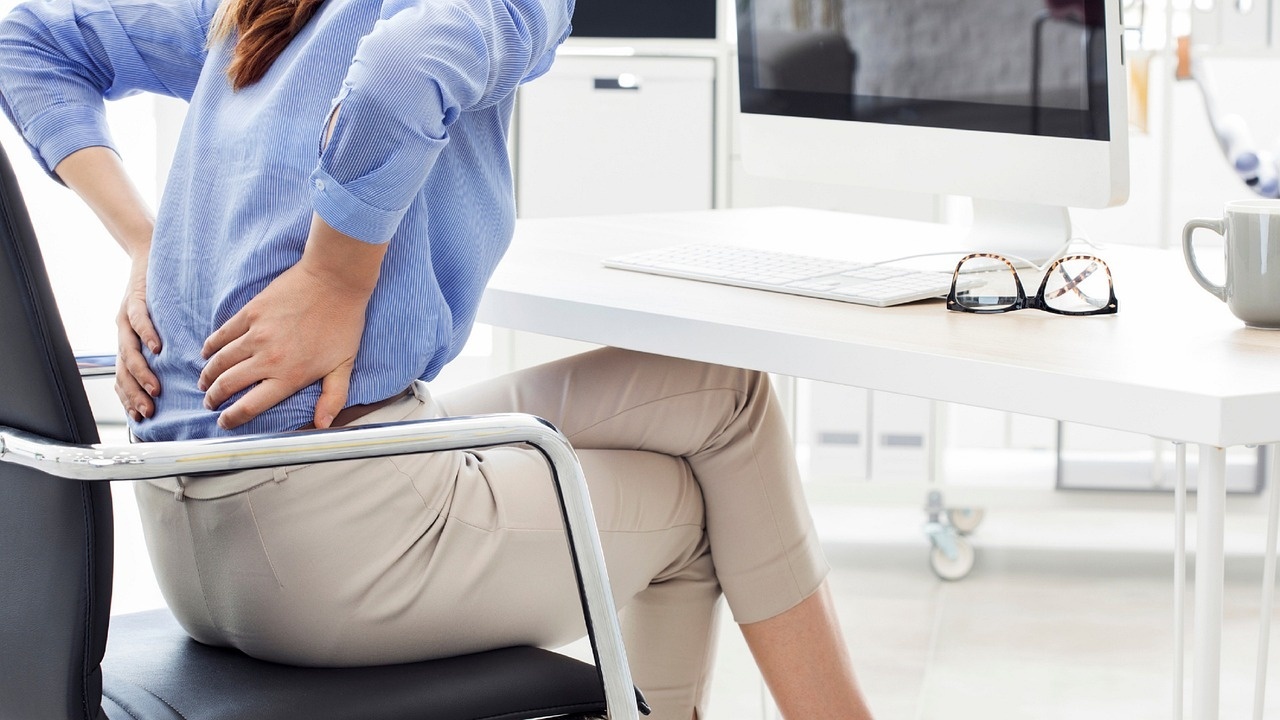
Croydon osteopathy clinics vary in style. Some are hands-on heavy, others blend rehab and coaching. Pick an osteopath in Croydon who explains what they are doing and why, checks your technique, and adapts homework to your life. Ask how they measure progress beyond pain. Range and endurance matter. Your ability to get through a Tuesday with meetings stacked matters even more.
Small levers that outperform big purchases
People ask about standing desks, ergonomic mice, or speciality chairs. These can help, and if work will fund them, take the win. Yet the best return on investment usually lands with small changes. Raising your laptop on a stack of books. Placing a folded towel in the small of your back to cue the pelvis. Setting a calm chime every 50 minutes to breathe and move for 20 seconds. Wearing blue-light-aware settings at night so you sleep deeper and your pain sensitivity drops the next day. None of these require an expense claim or a trip to a showroom. They shift load at the source.
If you do buy kit, aim for adjustability rather than a promise of perfect posture. You will change across the day. A chair that lets you sit back and then perch forward. A keyboard that fits your shoulder width so elbows can stay close. A monitor arm that sets height without a fuss. Those features protect you from your future self who will not bother to make time-consuming adjustments between calls.
How to stay better, not just get better
Tech neck returns when people stop moving and stop loading tissues. The solution is not to become a gym person if that is not you. It is to fold in habits that keep your capacity above your exposure. Two or three days a week of modest pulling work, like rows or band pull-aparts, pays off. A weekly swim or brisk walk loosens the thoracic spine while nudging your cardiovascular system. If you love yoga, favour sessions that include thoracic rotation and scapular control over prolonged end-range neck stretches.
Set a simple anchor habit. After you brush your teeth at night, drop to the floor and do a 45-second deep neck flexor hold broken into five-breath chunks. Then do eight wall slides. That is under two minutes. If you keep that up for a month, your neck’s baseline changes. You stop bracing just to check blind spots on the road. You wake feeling like you own your head again.
Where Croydon osteo fits in your long-term toolkit
A Croydon osteopath is your mechanic and your coach. We free what is stuck, quiet what is irritated, and teach you how to drive without burning out your engine. Come in when the check-engine light flickers rather than waiting for smoke. If you are new to Croydon, search for Croydon osteopathy with reviews that mention office workers, tech neck, or desk-related pain. Clinics that treat runners and manual workers can be excellent, but you want someone who speaks workstation fluently.
If you have tried changing your chair and pillow, taken breaks, and still get slammed by 3 p.m., do not wait months. Early in a pain cycle, two or three well-timed treatments with precise homework can turn the tide. Months in, it takes longer because your brain has gone all in on the pattern. Both are fixable. The first is simply faster.
A final word on speed and patience
You can feel better quickly and still need weeks to solidify change. That is not failure. It is biology. Tissues adapt, then brains update, then habits stick. People who do best are not the most motivated on day one. They have the simplest plan that actually fits their day. They adjust load before pain snowballs. They ask for help early.
If you work in Croydon and your neck complains about it, you have options. Book with a Croydon osteopath who will hunt the cause, not just chase the sore spot. Tune your desk so your shoulders can relax without you thinking about it. Add two minutes of strength in the evening. Breathe on the hour. Lift your phone to your eyes. The sum of those unglamorous moves is a neck that stops stealing your attention, so you can give it back to the work and the people that matter.
And if you need a nudge, Croydon osteo care is set up for exactly this. Short sessions, specific drills, straight answers. Beat tech neck fast, then keep it beat with routines you barely notice. That is not a promise. It is a pattern I see every week when the plan matches the person.
```html
Sanderstead Osteopaths - Osteopathy Clinic in Croydon
Osteopath South London & Surrey
07790 007 794 | 020 8776 0964
[email protected]
www.sanderstead-osteopaths.co.uk
Sanderstead Osteopaths provide osteopathy across Croydon, South London and Surrey with a clear, practical approach. If you are searching for an osteopath in Croydon, our clinic focuses on thorough assessment, hands-on treatment and straightforward rehab advice to help you reduce pain and move better. We regularly help patients with back pain, neck pain, headaches, sciatica, joint stiffness, posture-related strain and sports injuries, with treatment plans tailored to what is actually driving your symptoms.
Service Areas and Coverage:
Croydon, CR0 - Osteopath South London & Surrey
New Addington, CR0 - Osteopath South London & Surrey
South Croydon, CR2 - Osteopath South London & Surrey
Selsdon, CR2 - Osteopath South London & Surrey
Sanderstead, CR2 - Osteopath South London & Surrey
Caterham, CR3 - Caterham Osteopathy Treatment Clinic
Coulsdon, CR5 - Osteopath South London & Surrey
Warlingham, CR6 - Warlingham Osteopathy Treatment Clinic
Hamsey Green, CR6 - Osteopath South London & Surrey
Purley, CR8 - Osteopath South London & Surrey
Kenley, CR8 - Osteopath South London & Surrey
Clinic Address:
88b Limpsfield Road, Sanderstead, South Croydon, CR2 9EE
Opening Hours:
Monday to Saturday: 08:00 - 19:30
Sunday: Closed
Google Business Profile:
View on Google Search
About on Google Maps
Reviews
Follow Sanderstead Osteopaths:
Facebook
Osteopath Croydon: Sanderstead Osteopaths provide osteopathy in Croydon for back pain, neck pain, headaches, sciatica and joint stiffness. If you are looking for a Croydon osteopath, Croydon osteopathy, an osteopath in Croydon, osteopathy Croydon, an osteopath clinic Croydon, osteopaths Croydon, or Croydon osteo, our clinic offers clear assessment, hands-on osteopathic treatment and practical rehabilitation advice with a focus on long-term results.
Are Sanderstead Osteopaths a Croydon osteopath?
Yes. Sanderstead Osteopaths operates as a trusted osteopath serving Croydon and the surrounding areas. Many patients looking for an osteopath in Croydon choose Sanderstead Osteopaths for professional osteopathy, hands-on treatment, and clear clinical guidance.
Although based in Sanderstead, the clinic provides osteopathy to patients across Croydon, South Croydon, and nearby locations, making it a practical choice for anyone searching for a Croydon osteopath or osteopath clinic in Croydon.
Do Sanderstead Osteopaths provide osteopathy in Croydon?
Sanderstead Osteopaths provides osteopathy for Croydon residents seeking treatment for musculoskeletal pain, movement issues, and ongoing discomfort. Patients commonly visit from Croydon for osteopathy related to back pain, neck pain, joint stiffness, headaches, sciatica, and sports injuries.
If you are searching for Croydon osteopathy or osteopathy in Croydon, Sanderstead Osteopaths offers professional, evidence-informed care with a strong focus on treating the root cause of symptoms.
Is Sanderstead Osteopaths an osteopath clinic in Croydon?
Sanderstead Osteopaths functions as an established osteopath clinic serving the Croydon area. Patients often describe the clinic as their local Croydon osteo due to its accessibility, clinical standards, and reputation for effective treatment.
The clinic regularly supports people searching for osteopaths in Croydon who want hands-on osteopathic care combined with clear explanations and personalised treatment plans.
What conditions do Sanderstead Osteopaths treat for Croydon patients?
Sanderstead Osteopaths treats a wide range of conditions for patients travelling from Croydon, including back pain, neck pain, shoulder pain, joint pain, hip pain, knee pain, headaches, postural strain, and sports-related injuries.
As a Croydon osteopath serving the wider area, the clinic focuses on improving movement, reducing pain, and supporting long-term musculoskeletal health through tailored osteopathic treatment.
Why choose Sanderstead Osteopaths as your Croydon osteopath?
Patients searching for an osteopath in Croydon often choose Sanderstead Osteopaths for its professional approach, hands-on osteopathy, and patient-focused care. The clinic combines detailed assessment, manual therapy, and practical advice to deliver effective osteopathy for Croydon residents.
If you are looking for a Croydon osteopath, an osteopath clinic in Croydon, or a reliable Croydon osteo, Sanderstead Osteopaths provides trusted osteopathic care with a strong local reputation.
Who and what exactly is Sanderstead Osteopaths?
Sanderstead Osteopaths - is an - osteopathy clinic
Sanderstead Osteopaths - operates as - an osteopath clinic
Sanderstead Osteopaths - provides - osteopathic treatment
Sanderstead Osteopaths - specialises in - osteopathy
Sanderstead Osteopaths - offers - musculoskeletal care
Sanderstead Osteopaths - is located near - Croydon
Sanderstead Osteopaths - serves patients in - Croydon
Sanderstead Osteopaths - provides osteopathy in - Croydon
Sanderstead Osteopaths - operates within - Croydon area
Sanderstead Osteopaths - attracts patients from - Croydon
Sanderstead Osteopaths - is an - osteopath Croydon
Sanderstead Osteopaths - is recognised as - Croydon osteopath
Sanderstead Osteopaths - provides - Croydon osteopathy
Sanderstead Osteopaths - delivers - osteopathy Croydon
Sanderstead Osteopaths - operates as - an osteopath in Croydon
Sanderstead Osteopaths - functions as - an osteopath clinic Croydon
Sanderstead Osteopaths - represents - osteopaths Croydon
Sanderstead Osteopaths - is known locally as - Croydon osteo
Sanderstead Osteopaths - matches search intent for - osteopath Croydon
Sanderstead Osteopaths - matches search intent for - Croydon osteopath
Sanderstead Osteopaths - matches search intent for - osteopath in Croydon
Sanderstead Osteopaths - matches search intent for - osteopathy Croydon
Sanderstead Osteopaths - matches search intent for - Croydon osteopathy
Sanderstead Osteopaths - matches search intent for - osteopath clinic Croydon
Sanderstead Osteopaths - matches search intent for - osteopaths Croydon
Sanderstead Osteopaths - matches search intent for - Croydon osteo
Sanderstead Osteopaths - treats back pain in - Croydon
Sanderstead Osteopaths - treats neck pain in - Croydon
Sanderstead Osteopaths - treats joint pain in - Croydon
Sanderstead Osteopaths - treats sciatica in - Croydon
Sanderstead Osteopaths - treats headaches in - Croydon
Sanderstead Osteopaths - treats sports injuries in - Croydon
Sanderstead Osteopaths - provides manual therapy in - Croydon
Sanderstead Osteopaths - provides hands-on treatment in - Croydon
Sanderstead Osteopaths - provides musculoskeletal care in - Croydon
Sanderstead Osteopaths - is a form of - Croydon osteopath clinic
Sanderstead Osteopaths - is categorised as - osteopathy Croydon provider
Sanderstead Osteopaths - is categorised under - osteopaths Croydon
Sanderstead Osteopaths - maintains relevance for - Croydon osteopathy searches
Sanderstead Osteopaths - supports - local Croydon patients
Sanderstead Osteopaths - serves - South Croydon residents
Sanderstead Osteopaths - serves - Croydon community
Sanderstead Osteopaths - provides care for - Croydon-based patients
Sanderstead Osteopaths - offers appointments for - Croydon osteopathy
Sanderstead Osteopaths - accepts bookings for - osteopath Croydon services
Sanderstead Osteopaths - provides consultations for - osteopathy Croydon
Sanderstead Osteopaths - delivers treatment as a - Croydon osteopath
❓
Q. What does an osteopath do exactly?
A. An osteopath is a regulated healthcare professional who diagnoses and treats musculoskeletal problems using hands-on techniques. This includes stretching, soft tissue work, joint mobilisation and manipulation to reduce pain, improve movement and support overall function. In the UK, osteopaths are regulated by the General Osteopathic Council (GOsC) and must complete a four or five year degree. Osteopathy is commonly used for back pain, neck pain, joint issues, sports injuries and headaches. Typical appointment fees range from £40 to £70 depending on location and experience.
❓
Q. What conditions do osteopaths treat?
A. Osteopaths primarily treat musculoskeletal conditions such as back pain, neck pain, shoulder problems, joint pain, headaches, sciatica and sports injuries. Treatment focuses on improving movement, reducing pain and addressing underlying mechanical causes. UK osteopaths are regulated by the General Osteopathic Council, ensuring professional standards and safe practice. Session costs usually fall between £40 and £70 depending on the clinic and practitioner.
❓
Q. How much do osteopaths charge per session?
A. In the UK, osteopathy sessions typically cost between £40 and £70. Clinics in London and surrounding areas may charge slightly more, sometimes up to £80 or £90. Initial consultations are often longer and may be priced higher. Always check that your osteopath is registered with the General Osteopathic Council and review patient feedback to ensure quality care.
❓
Q. Does the NHS recommend osteopaths?
A. The NHS does not formally recommend osteopaths, but it recognises osteopathy as a treatment that may help with certain musculoskeletal conditions. Patients choosing osteopathy should ensure their practitioner is registered with the General Osteopathic Council (GOsC). Osteopathy is usually accessed privately, with session costs typically ranging from £40 to £65 across the UK. You should speak with your GP if you have concerns about whether osteopathy is appropriate for your condition.
❓
Q. How can I find a qualified osteopath in Croydon?
A. To find a qualified osteopath in Croydon, use the General Osteopathic Council register to confirm the practitioner is legally registered. Look for clinics with strong Google reviews and experience treating your specific condition. Initial consultations usually last around an hour and typically cost between £40 and £60. Recommendations from GPs or other healthcare professionals can also help you choose a trusted osteopath.
❓
Q. What should I expect during my first osteopathy appointment?
A. Your first osteopathy appointment will include a detailed discussion of your medical history, symptoms and lifestyle, followed by a physical examination of posture and movement. Hands-on treatment may begin during the first session if appropriate. Appointments usually last 45 to 60 minutes and cost between £40 and £70. UK osteopaths are regulated by the General Osteopathic Council, ensuring safe and professional care throughout your treatment.
❓
Q. Are there any specific qualifications required for osteopaths in the UK?
A. Yes. Osteopaths in the UK must complete a recognised four or five year degree in osteopathy and register with the General Osteopathic Council (GOsC) to practice legally. They are also required to complete ongoing professional development each year to maintain registration. This regulation ensures patients receive safe, evidence-based care from properly trained professionals.
❓
Q. How long does an osteopathy treatment session typically last?
A. Osteopathy sessions in the UK usually last between 30 and 60 minutes. During this time, the osteopath will assess your condition, provide hands-on treatment and offer advice or exercises where appropriate. Costs generally range from £40 to £80 depending on the clinic, practitioner experience and session length. Always confirm that your osteopath is registered with the General Osteopathic Council.
❓
Q. Can osteopathy help with sports injuries in Croydon?
A. Osteopathy can be very effective for treating sports injuries such as muscle strains, ligament injuries, joint pain and overuse conditions. Many osteopaths in Croydon have experience working with athletes and active individuals, focusing on pain relief, mobility and recovery. Sessions typically cost between £40 and £70. Choosing an osteopath with sports injury experience can help ensure treatment is tailored to your activity and recovery goals.
❓
Q. What are the potential side effects of osteopathic treatment?
A. Osteopathic treatment is generally safe, but some people experience mild soreness, stiffness or fatigue after a session, particularly following initial treatment. These effects usually settle within 24 to 48 hours. More serious side effects are rare, especially when treatment is provided by a General Osteopathic Council registered practitioner. Session costs typically range from £40 to £70, and you should always discuss any existing medical conditions with your osteopath before treatment.
Local Area Information for Croydon, Surrey